
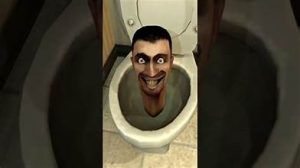
 In the cacophonous, hyper-saturated digital landscape of the 2020s, few phenomena encapsulate the zeitgeist of algorithmically mediated absurdity as effectively as the Skibidi Toilet. Emerging from the chaotic petri dish of YouTube Shorts and TikTok ephemera, this audiovisual memeplex represents a pinnacle of contemporary post-ironic content production, where meaning, aesthetics, and sanity spiral centrifugally into the void.
Let us attempt, however futilely, to intellectualize this.
What Is a Skibidi Toilet?
At its core—though “core” may be too stable a term for such volatile media—the Skibidi Toilet is a grotesquely anthropomorphized, disembodied human head protruding from a toilet bowl, often lip-syncing to a bastardized snippet of “Dom Dom Yes Yes” by Biser King or a mangled rendition of the Skibidi song by Little Big. These entities engage in surreal confrontations with other grotesque figures: camera-headed humanoids, speaker-bodied warriors, and TV-faced mutants.
The narrative, if such a term can be applied, unfolds as a nonlinear war between Toilet People and Camera Men, with visual logic borrowed equally from Half-Life 2, GMod animations, and deep-fried meme aesthetics. It is ontologically destabilizing. It is violently irrational. It is, in a word, Skibidi.
Ontological Horror and the Toilet as Symbol
The toilet, long a symbol of the repressed id, scatological shame, and modernist rejection of aesthetic hierarchy, has been recontextualized. In Skibidi canon, the toilet is no longer a site of abjection—it is a locus of identity. To be a toilet is to be. It is to have a mouth that sings and eyes that scream. One may argue it is the apotheosis of the consumer-subject, literally embedded in the detritus of post-industrial modernity, singing as Rome burns.
And what of the camera-headed men? Voyeuristic agents of control? Post-Foucauldian surveillance metaphors? Or simply absurd counterpoints in a world where visual logic trumps narrative cohesion?
Algorithmic Content and the Post-Narrative Internet
Skibidi Toilets do not originate from artistic intent but from algorithmic mimicry. Created by DaFuq!?Boom!—a content producer whose very name signals resistance to categorization—the series iterates upon itself fractally, each episode more digitally deranged than the last.
This is content not made for audiences, but for engagement metrics. Its logic is Darwinian: what survives is what the algorithm favors, not what makes sense. Hence, the Skibidi Toilet is not a character, but an emergent property of internet culture itself—a memetic virus optimally shaped for viral spread.
This is post-content: stripped of meaning, bloated with affect, and rendered in the uncanny visual dialect of Source Engine mods and TikTok edits.
Why Are Children Obsessed With It?
Because it is pure id. Skibidi Toilet bypasses narrative, morality, and even basic animation fluidity to deliver uncut dopamine. It weaponizes repetition, grotesquerie, and absurdist violence to capture the increasingly gamified attention spans of digital natives. It is media crack for the short-form generation.
Yet it is also, perhaps unintentionally, a profound satire of the very culture it emerges from. In the same way Dada responded to the absurdity of war with nonsense, Skibidi Toilet responds to the absurdity of content capitalism with shrieking toilets and dancing heads.
Conclusion: Toward a Skibidi Theory of Media
To call Skibidi Toilets “bad” is to miss the point. It is not good or bad. It is post-evaluation. It is the shrieking toilet-chorus of a dying medium, a digital Gesamtkunstwerk forged in the molten core of late-stage internet culture.
To watch a Skibidi Toilet video is to gaze directly into the gaping mouth of the algorithm—and hear it sing.
Skibidi toilet… yes yes.